
Tabs
Curled Or Lifted Tabs
Curling shows the shingles are drying out and losing their seal. Widespread curl points to reshingling, since coating cannot refasten them.
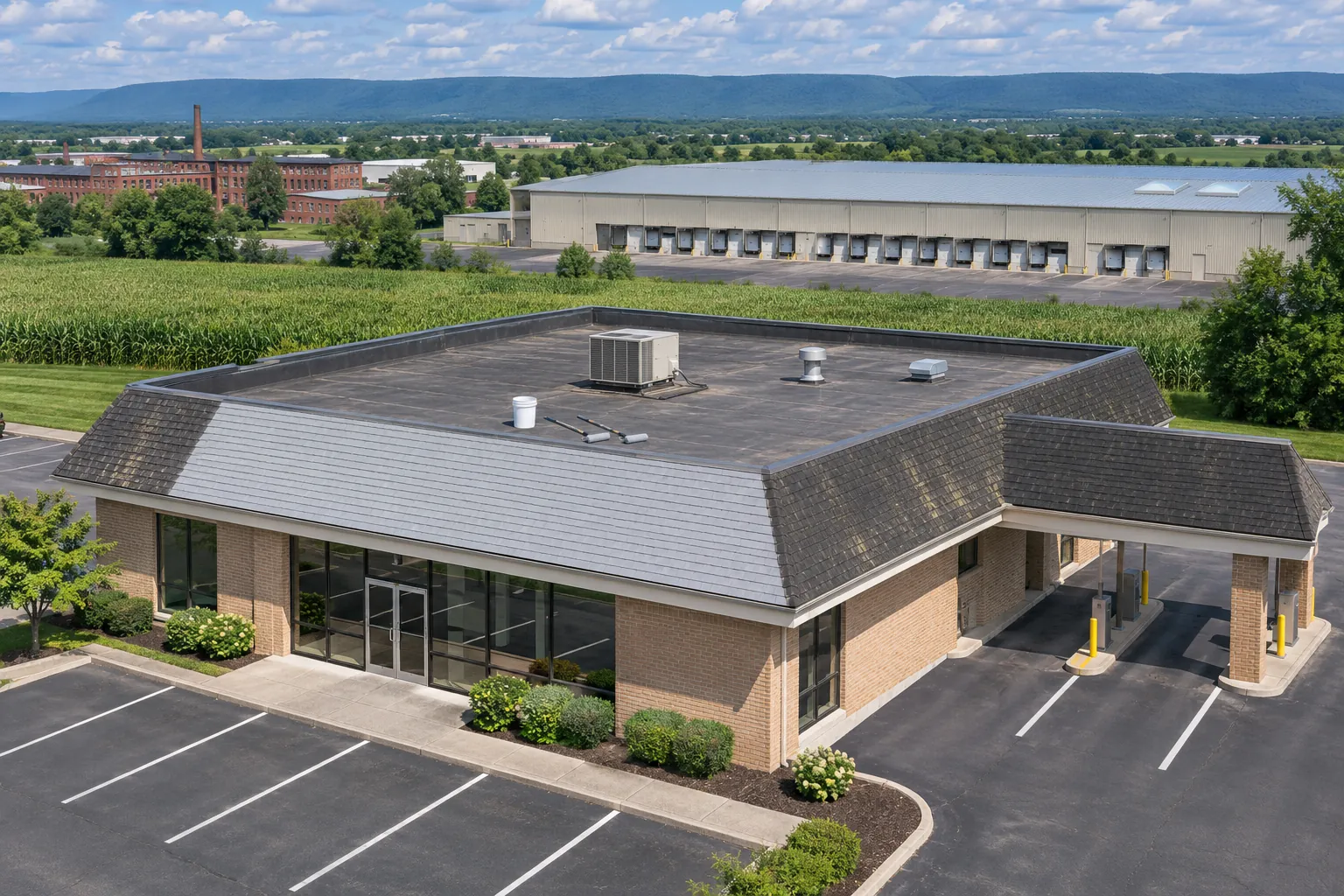
Harrisburg shingle roof coating from us covers commercial asphalt shingle sections with flat, attached tabs, after the shingle maker's approval and flashing repairs.
Harrisburg shingle roof coating fits a narrow set of commercial roofs with flat tabs and sound flashing. Check yours against both columns before pricing anything.
Coating sits on top of shingles and adds nothing underneath. These four checks decide whether it fits.
Curling shows the shingles are drying out and losing their seal. Widespread curl points to reshingling, since coating cannot refasten them.
Flashing at walls, edges, and penetrations gets resealed or replaced before coating, because most shingle leaks start there.
A spongy feel means wet or rotted sheathing. Those areas need decking and shingle replacement before anything else.
Moderate granule loss can be coated once loose granules are cleaned off. Bare, brittle mat means the shingle has worn out.
Shingle coatings come in a few types, all limited to what the shingle maker allows.
Offices, clinics, and bank branches with shingle mansards get a coating suited to steep faces and visible walls. Color choices are limited to what the shingle maker lists as compatible.
Water-based acrylic shingle coatings go on in mild weather and come in colors that match nearby trim. Acrylic shingle coatings breathe, which helps on roofs with ventilated attics below.
Some makers approve silicone on shingles, which holds up well in sun but accepts only silicone repairs later. Silicone on shingles also picks up dirt, so lighter colors show grime sooner.
Every shingle coating job includes flashing repair at walls, valleys, and penetrations before the coating goes on. Valley metal and step flashing are replaced where they have rusted or split.
On the right shingles, coating protects the surface and buys time on a working roof.
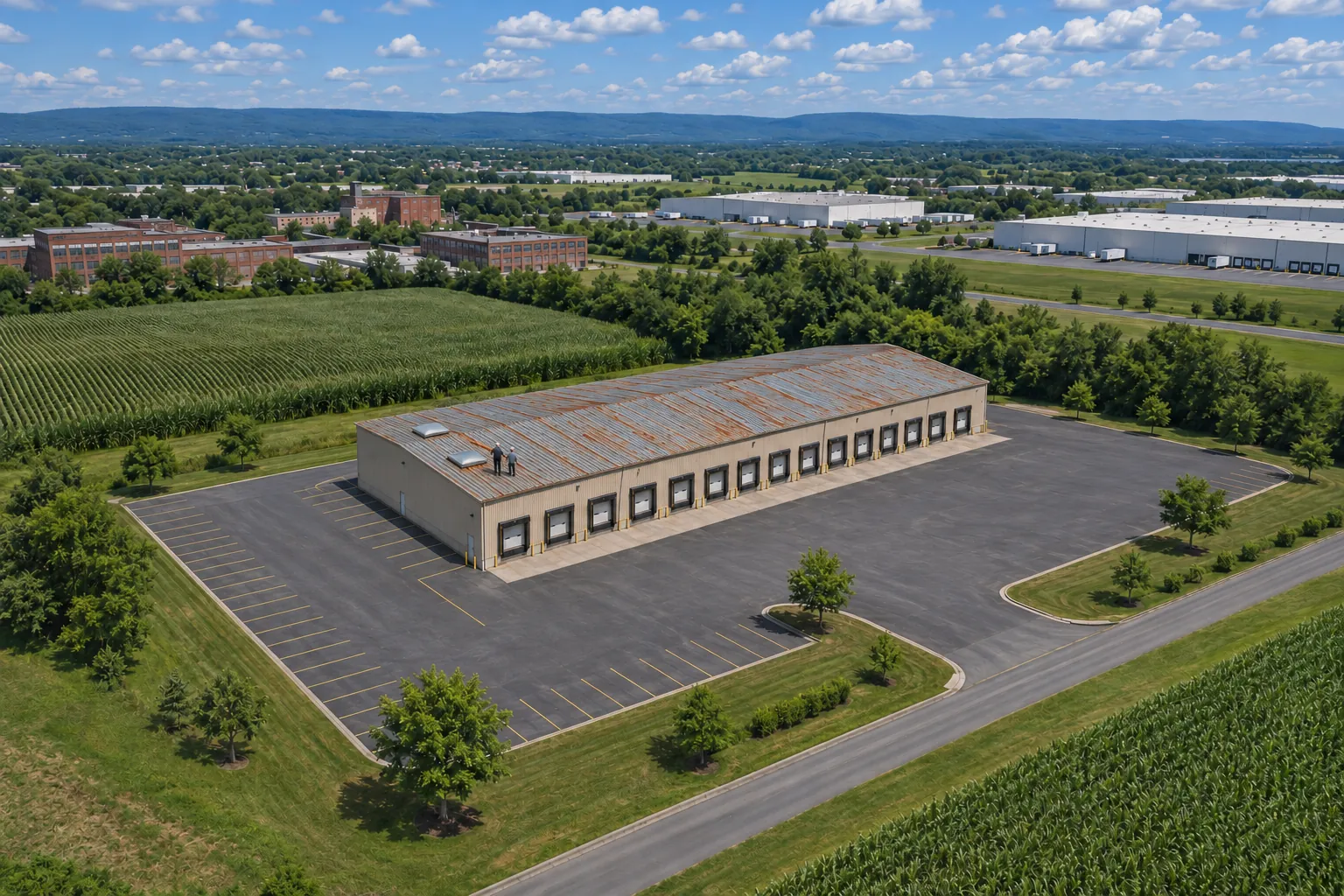
Coating binds remaining granules to the mat, slowing the wear that comes with sun and runoff. Granules carried off in runoff collect in gutters, which is one sign of how worn a roof is.
Mansards on offices face the street, and coating brings them back to an even color. An even color across visible roof faces also makes later damage easier to spot from the ground.
Light coatings reflect summer sun that otherwise dries out the asphalt and speeds cracking. Darker shingles under a light coating show the biggest drop in surface heat on summer afternoons.
Every coating job here starts with flashing repair, which closes the most common shingle leak paths. Step flashing, counterflashing, and pipe boots all get checked and resealed during this work.
Get a planning range, and we will check the tabs, the flashing, and the shingle maker's rules before recommending coating.
Four steps, starting with whether coating is allowed at all.
We check tab attachment, curl, granule loss, deck feel, and flashing, and confirm the shingle maker allows a coating.
Wall, edge, and penetration flashing is resealed or replaced, and any failed shingles are swapped out.
Loose granules, dirt, and growth are removed gently so the coating bonds without stripping more granules.
An approved coating goes on in one or two coats at the specified rate, worked into the shingle surface.
Many shingle buildings also have flat or metal sections.
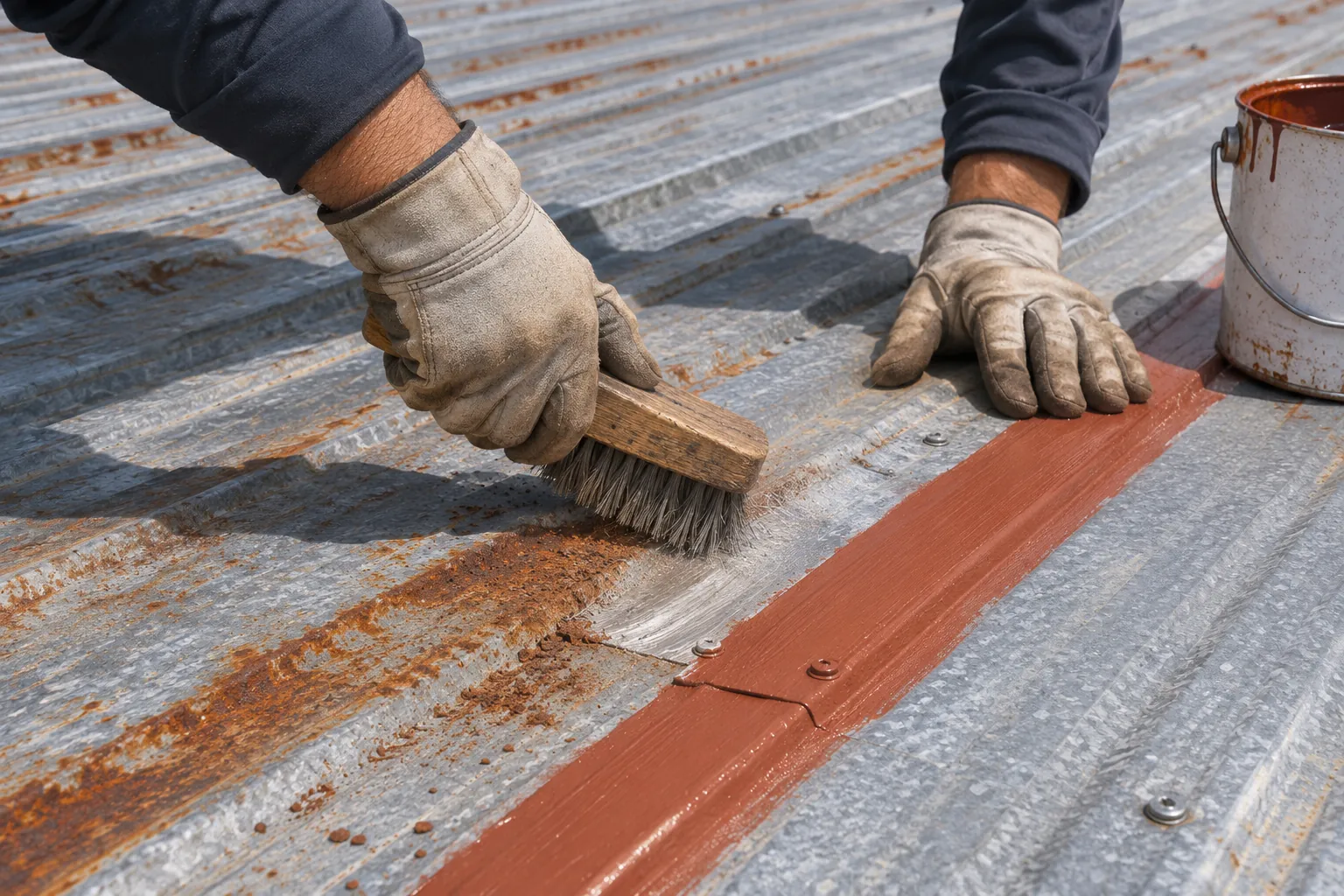
Metal additions and canopies get rust treatment, fastener sealing, and a two-coat system.
Harrisburg Commercial Metal Roof Coating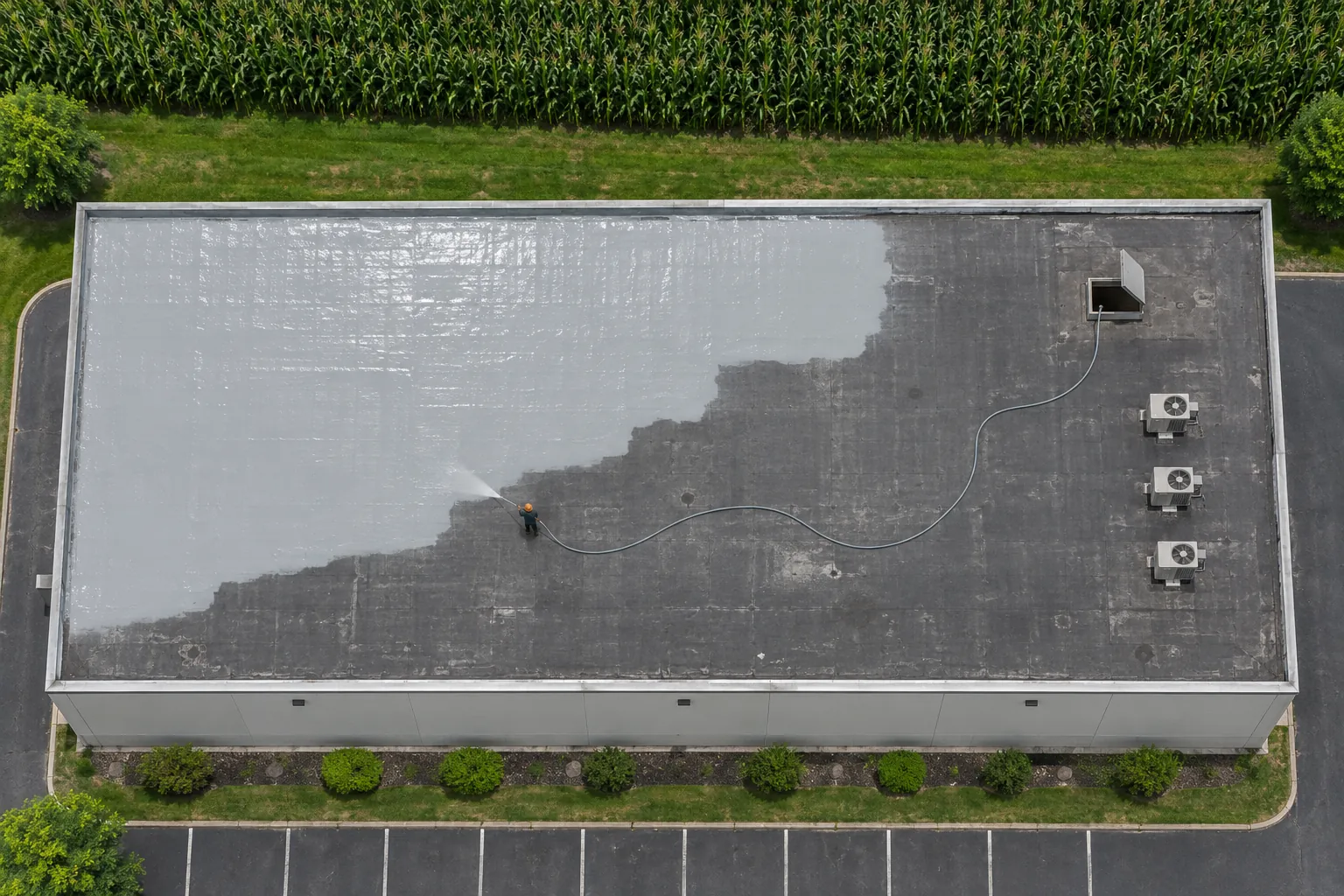
Flat sections behind a mansard often hold water and take silicone after drain work.
Harrisburg Silicone Roof Coating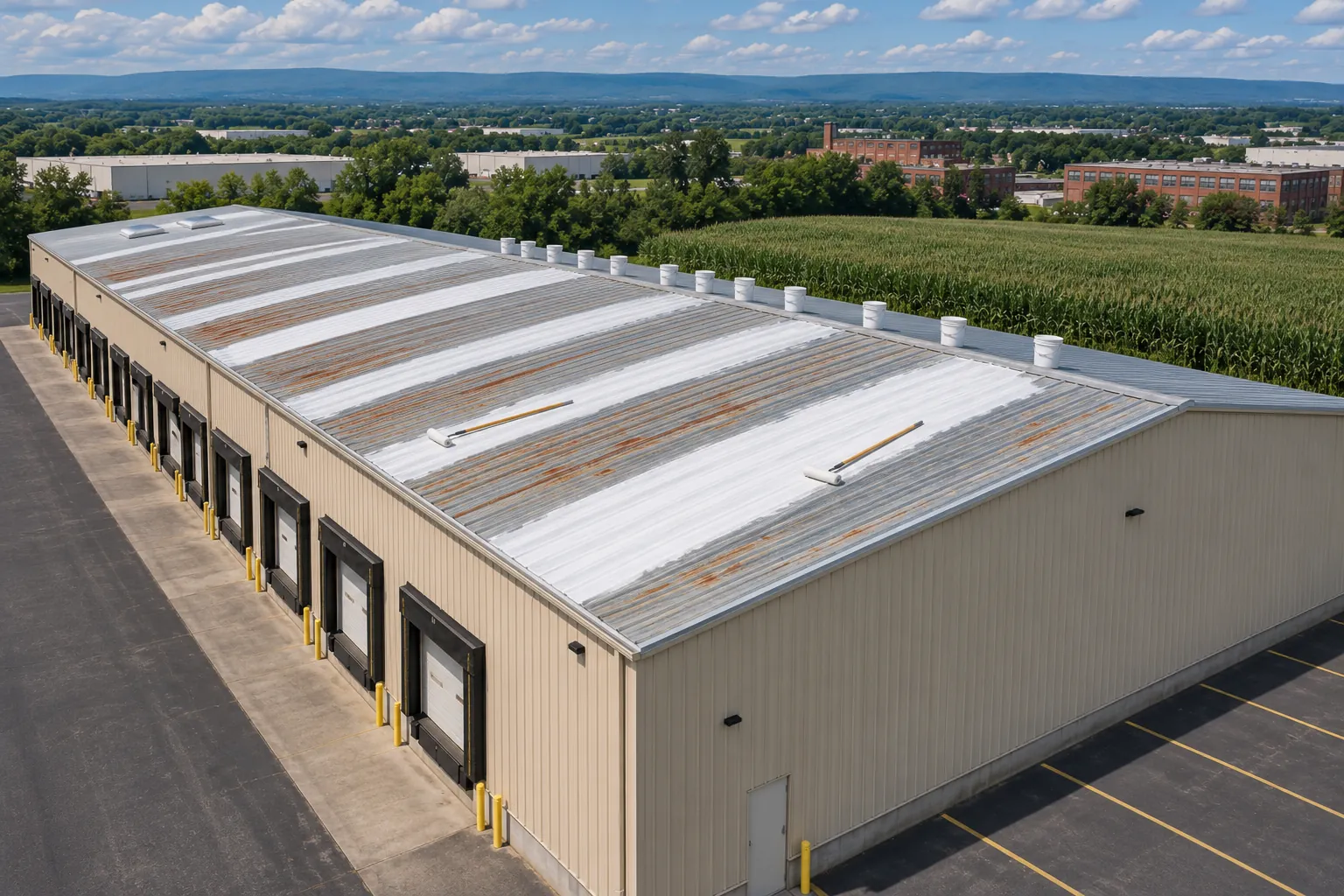
Sloped metal sections that drain well take acrylic with fabric at the seams.
Harrisburg Acrylic Roof Coating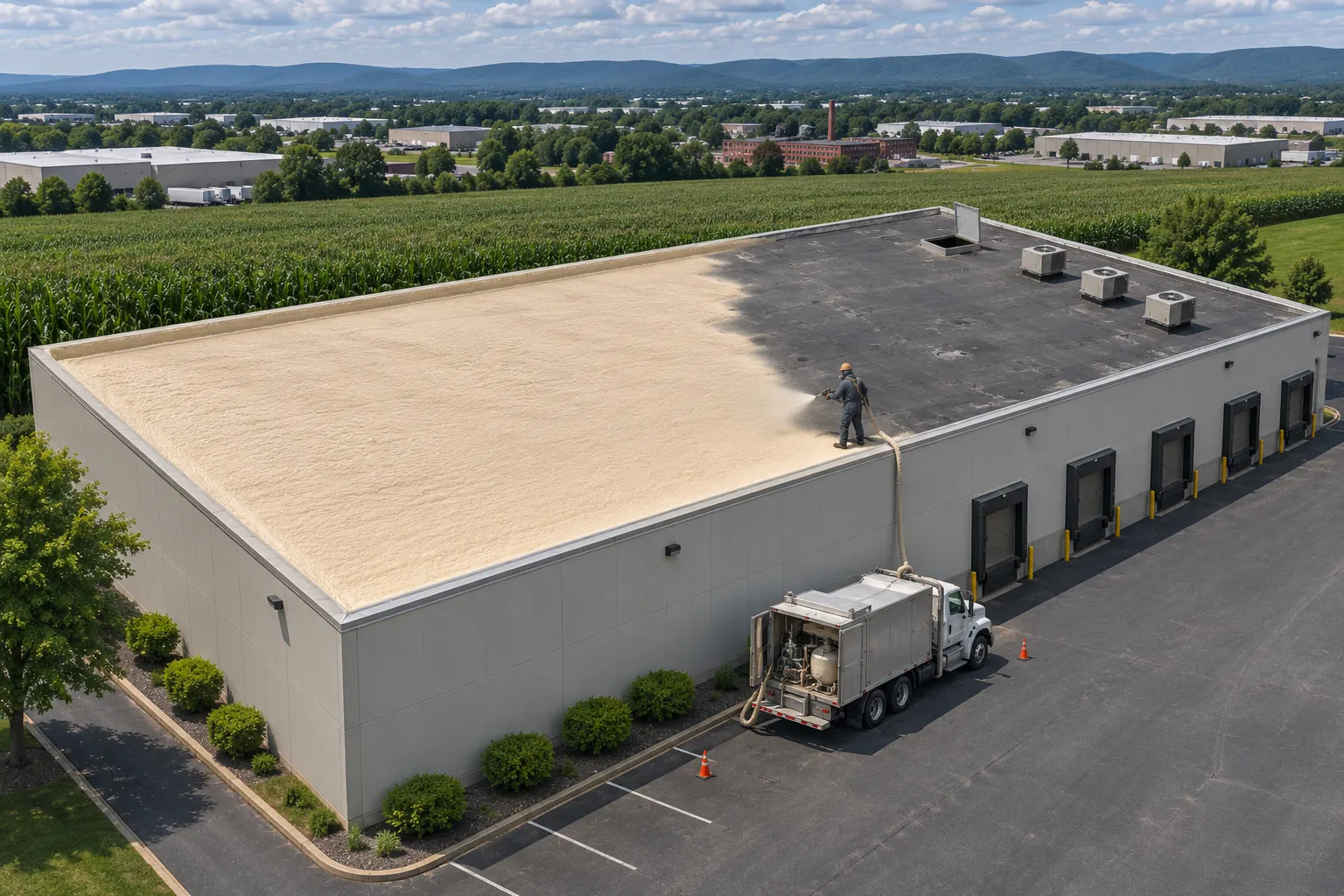
Insulating foam suits flat sections that run cold, sealed with a protective topcoat.
Harrisburg Spray Foam RoofingWhat owners ask about coating commercial shingles.
Coating protects the surface but stops none of the aging inside the shingle itself. How long the roof keeps working depends on tab attachment, flashing, and the condition of the asphalt.
We confirm the shingle maker supports coating, then inspect tabs and flashing, and we never present coating as a way to reset an aging roof.
Coating runs about $2.50 to $4.00 per square foot of roof, and replacement about $5 to $8. Compatibility comes first, then roof size, access, coating type and thickness, coats, penetrations, and flashing set where a job lands. Steep mansards with little foot traffic tend to be the best candidates for coating on these buildings.
Reshingling. Loose and curled tabs show the shingles no longer form a reliable base. We check how far the damage spreads and inspect the deck, because coating cannot refasten shingles or restore how they shed water. Flashing repairs at walls and valleys come before any coating price is final.
Only when the shingle maker allows it and the tabs are flat and attached. Many shingle warranties exclude coatings, so we check that first. Soft decking under curled tabs is common, so we check the deck before suggesting either path.
Rarely by itself. Most shingle leaks start at flashing, valleys, or failed tabs, and those get repaired directly. Coating protects the surface once the leak paths are closed. Some shingle makers allow only specific coatings, and we stay within those limits.
Acrylic shingle coatings come in several colors, from light gray to darker tones that match brick and trim. Lighter colors reflect more sun. Valleys and step flashing at walls are the usual sources on mansards and roof faces.
Get a planning range from your roof area, or call so we can check the tabs and flashing in person.